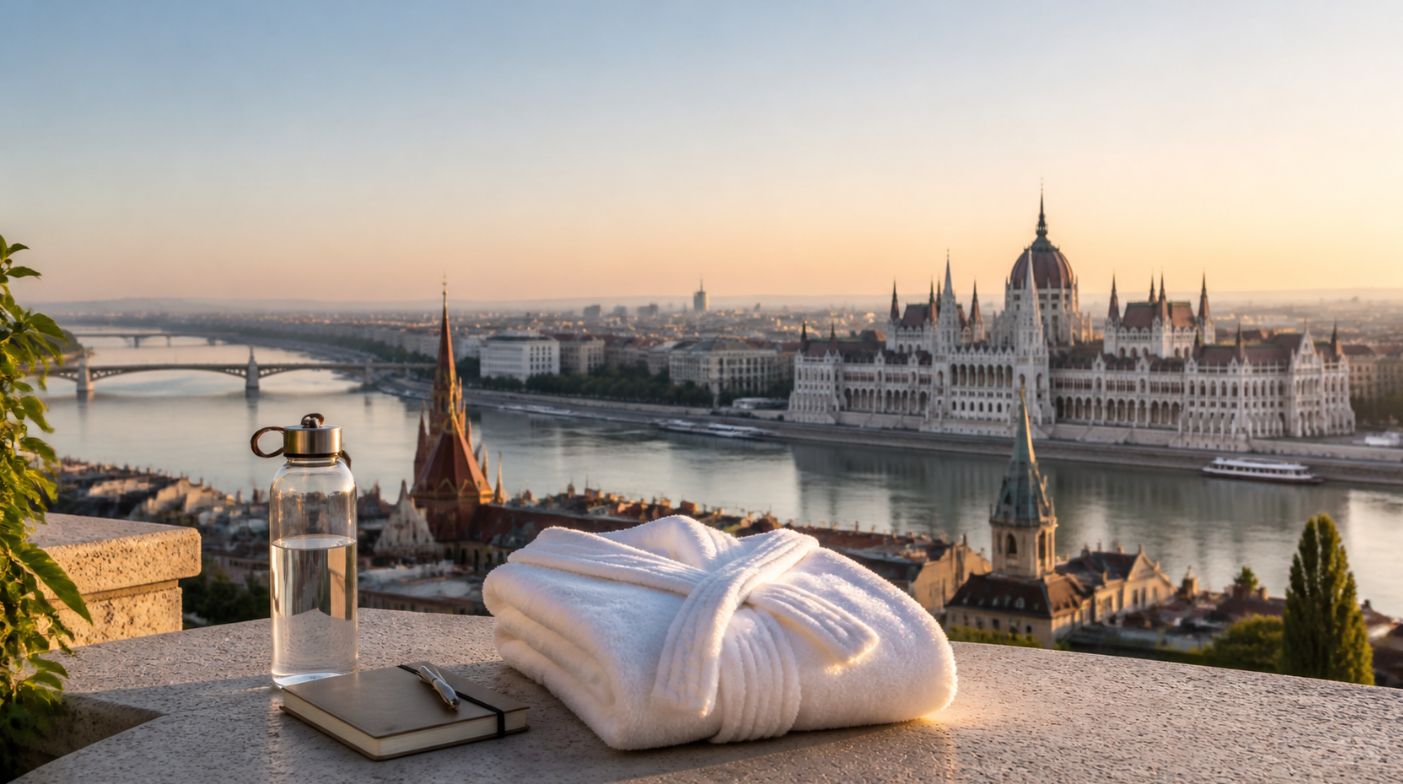
Planning a trip to Hungary from the UK or US? These Hungary travel FAQs answer the practical questions most visitors ask, from dental treatment, cosmetic procedures and recovery planning to Budapest sightseeing, thermal baths, Hungarian food, transport and travel preparation. Whether you are visiting for medical tourism, a cultural city break or a combination of both, use this guide to plan with confidence and make the most of your time in Budapest and beyond.
Why is Hungary popular for medical tourism?
Hungary is a leading European destination for international patients, particularly for dental care, cosmetic procedures, hair restoration, diagnostics and thermal-wellness travel. Budapest combines clinics serving international visitors with a highly accessible city-break experience built around historic sights, cafés, restaurants and spa culture.
Is medical treatment in Hungary safe for UK and US patients?
Safety depends on the individual clinic, clinician, procedure and aftercare plan—not the destination alone. Choose a properly licensed provider, verify the named doctor or dentist’s qualifications, ask for a written treatment plan and obtain clear information about risks, warranties, complications, revision treatment and post-treatment support before paying a deposit.
What medical treatments do international visitors book in Hungary?
The most common treatments include dental implants, crowns, veneers, full-mouth restorations, cosmetic dentistry, hair transplants, plastic surgery, dermatology, diagnostics and wellness programmes. Dentistry remains Hungary’s best-known medical-tourism sector, while Budapest also has a strong market for aesthetic and hair-restoration treatments.
Why is Budapest known for dental tourism?
Budapest has developed into a major dental-tourism hub because of its concentration of private dental clinics, internationally trained professionals, modern diagnostic technology and experience treating overseas patients. It is especially popular with visitors seeking implants, crowns, bridges, veneers and complex restorative treatment.
How much can I save on dental treatment in Hungary?
Potential savings vary considerably by procedure, implant brand, clinic, materials, the number of visits required, flights and accommodation. Some Hungary-focused guides report that overseas patients may save up to 60% compared with treatment in higher-cost markets, but you should compare like-for-like written quotes—including scans, temporary work, laboratory fees, medication, warranty and future follow-up costs.
Do I need two trips to Hungary for dental implants?
Often, yes. Many implant treatments involve an initial procedure followed by a healing period before permanent crowns or bridges are fitted, so two visits may be necessary. Your clinic should explain the expected timeline before you book travel and confirm whether temporary teeth, accommodation and follow-up appointments are included in the quoted package.
Can I combine dental treatment with a Budapest holiday?
Yes, but keep your itinerary gentle and follow your clinician’s recovery guidance. Cultural visits, relaxed café stops, Danube walks and low-intensity sightseeing may suit some patients between appointments, while strenuous activity, alcohol, thermal bathing or long day trips may be unsuitable immediately after certain dental, surgical or cosmetic treatments.
Are Budapest thermal baths suitable after medical treatment?
Not always. Budapest’s thermal baths are a major attraction, but hot water, steam rooms, swimming pools and public bathing may be restricted after surgery, dental work, hair transplantation or cosmetic procedures because of infection, swelling or wound-healing concerns. Ask your treating clinician for procedure-specific advice before visiting any spa or bath.
Is English spoken at Hungarian medical and dental clinics?
Many clinics that cater to overseas patients have English-speaking coordinators and clinicians, particularly in Budapest. Confirm in advance whether your consultation, consent forms, treatment plan, medical records and emergency contact arrangements will be available in English.
What should I ask a Hungarian clinic before booking?
Ask for the clinician’s full name and credentials, a detailed treatment plan, itemised pricing, implant or material brands, expected number of visits, treatment risks, likely recovery time, warranty conditions and a written aftercare or complication plan. You should also confirm who pays for additional treatment if complications occur after you return to the UK or US.
Does UK travel insurance cover medical tourism in Hungary?
Do not assume it does. Many standard policies exclude planned private treatment abroad, elective cosmetic procedures and complications related to them. Speak directly with your insurer, disclose the planned procedure and obtain written confirmation of exactly what is covered, including emergency care, cancellation, repatriation and treatment-related complications. The FCDO advises travellers to have insurance appropriate for their itinerary, activities and emergency expenses.
Do UK and US visitors need a visa for Hungary?
Entry rules depend on nationality, passport validity, the length and purpose of your stay, and current Schengen regulations. UK and US visitors should check official government guidance before travelling, particularly when visiting for planned medical treatment rather than a conventional holiday. Do not rely solely on clinic, airline or blog information for immigration requirements.
Is Budapest a good destination for a first visit to Hungary?
Yes. Budapest is Hungary’s most practical base for first-time visitors because it combines airport connections, extensive accommodation, public transport, cultural attractions, restaurants, nightlife, thermal baths and a large choice of private medical providers. It also works well for companions travelling with a patient.
What are the best cultural attractions in Budapest?
First-time visitors should consider the Hungarian Parliament Building, Buda Castle and Castle District, Fisherman’s Bastion, Matthias Church, St Stephen’s Basilica, the Danube Promenade, the Jewish Quarter and the Hungarian State Opera House. These attractions provide a strong introduction to Budapest’s royal, religious, Jewish, imperial and modern cultural history.
What can a travel companion do while someone has treatment?
Budapest is particularly companion-friendly. A travel companion can explore museums, historic cafés, the Danube riverfront, markets, galleries, neighbourhood restaurants, thermal baths where appropriate, Margaret Island and major landmarks while the patient attends appointments or rests.
Is Budapest suitable for a recovery-focused city break?
Budapest can work well for a low-key recovery stay because it offers central hotels, café culture, walkable districts, parks and scenic riverfront routes. However, recovery plans should always come from your clinician first; sightseeing should be adapted to your mobility, pain management, follow-up appointments and the specific procedure you have had.
What Hungarian food should first-time visitors try?
Popular Hungarian foods include goulash, chicken paprikash, lángos, stuffed cabbage, chimney cake (kürtőskalács), strudel and Dobos torte. If you are recovering from dental work or surgery, ask your clinician when it is safe to eat hot, crunchy, spicy or chewy foods, and choose softer options when necessary.
When is the best time to visit Hungary?
Spring and early autumn are excellent for sightseeing, café terraces, river walks and generally milder weather. Summer is ideal for outdoor events such as Sziget Festival, while winter suits Christmas markets, festive food and thermal-bath experiences; however, the best time for a medical trip should be determined by appointment availability and your recovery needs.
Can I visit Lake Balaton or Hungary’s wine regions from Budapest?
Yes. Lake Balaton, Eger, Tokaj, Pécs and the wider Hungarian countryside can all add variety to a longer trip. These destinations are best planned before treatment or after you have received medical clearance to travel, especially if your procedure involves physical restrictions or scheduled follow-up visits.
How many days do I need in Budapest?
For a culture-led city break, three to four days allows time for major landmarks, food, cafés and a thermal-bath visit. For medical tourism, the correct duration depends on the procedure and clinical schedule: book accommodation with flexibility, avoid arranging a tightly timed return flight, and leave room for consultations, recovery and unexpected follow-up appointments.
This content is for general travel information only and is not medical, legal, insurance or immigration advice. Always seek personalised advice from a qualified clinician, insurer and relevant government authority before booking treatment or travel.