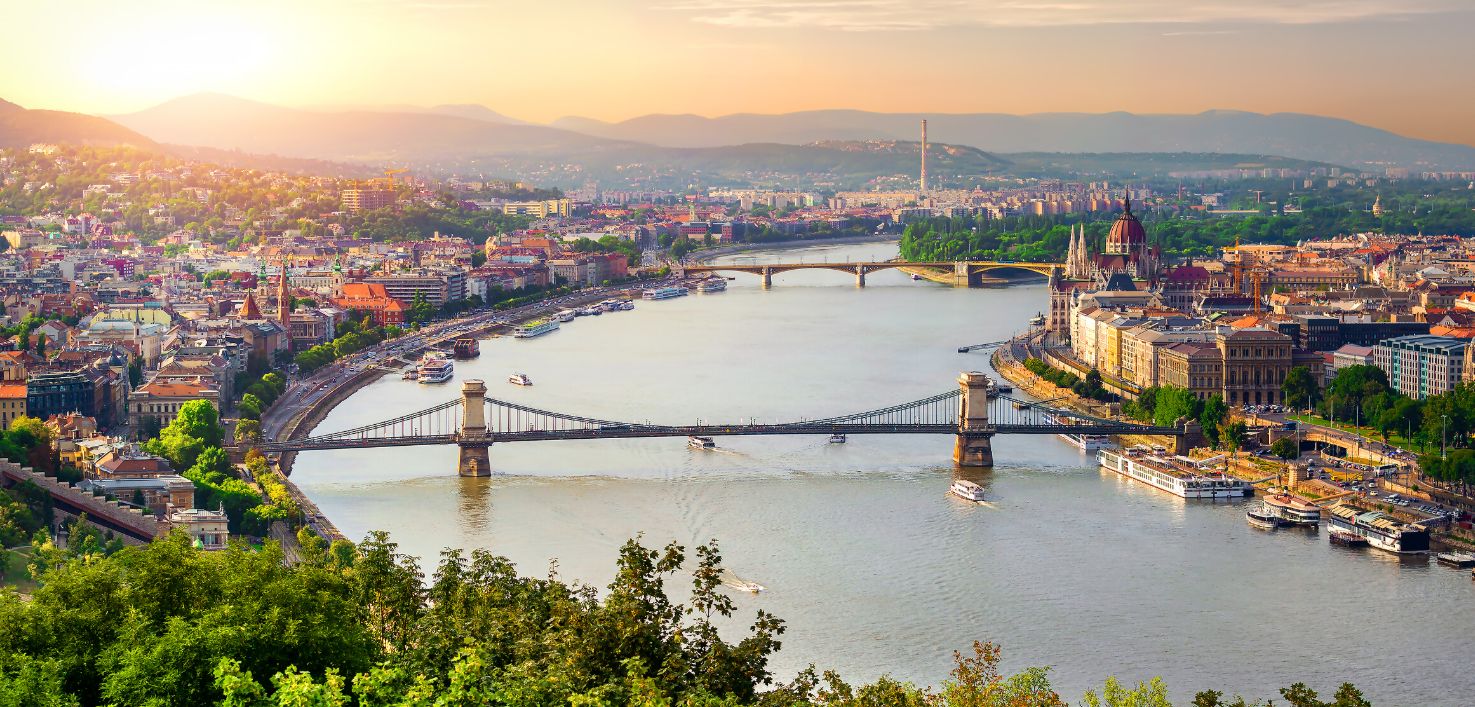
Budapest has evolved into one of Europe’s most versatile city destinations, combining grand architecture and spa culture with medical tourism, major sports events and a youthful festival scene that keeps the city buzzing almost year‑round. For many visitors it feels like several trips in one: historic capital, wellness retreat, party hub and practical base for high‑quality healthcare.
Budapest as a Leading City Destination
Budapest’s visitor numbers have surged in the last few years, confirming its status as the engine of Hungary’s tourism boom. In 2024 the city welcomed about 6.03 million visitors who generated 14.7 million overnight stays, a jump of roughly 24 percent in arrivals compared with the previous year. Foreign guests account for the vast majority of nights in the capital—around 87 percent of all guest nights in 2024—showing how strongly it appeals to international travellers.
Early forecasts suggest that Budapest will attract more than 6.5 million foreign visitors in 2025, with guest nights set to reach new records as connectivity, hotel capacity and events continue to expand. Tourism infrastructure is keeping pace: new routes, including direct flights from major US cities, and investment in 3‑ and 4‑star hotels signal that the city is planning for sustained growth.
Medical Tourism: A Discreet but Powerful Driver
Beyond sightseeing, Budapest has become a major hub for medical tourism, especially in dentistry, cosmetic procedures and hair restoration. The city hosts a dense cluster of modern clinics that cater to international patients with English‑speaking staff, digital diagnostics and contemporary surgical techniques.
Dental tourism is particularly strong: guides point out that Budapest is now considered one of the world’s key destinations for dental implants, cosmetic dentistry and full‑mouth restorations, with clinics offering CAD/CAM technology and same‑trip results. Medical travel operators note that patients from countries such as Switzerland, Belgium, France and the UK can save up to 70–80 percent on dental or cosmetic treatment compared to prices at home, even after flights and accommodation.
For visitors, one of Budapest’s advantages is how easily treatment can be combined with gentle recovery time in a city that offers thermal baths, parks and walkable neighbourhoods. Patients often add sightseeing or a spa weekend around their appointments, turning what might be a stressful medical trip elsewhere into a more relaxed city break.
Sports Tourism: From the Hungarian Grand Prix to Football Nights
Budapest’s sports calendar adds another layer of appeal, drawing fans who might not otherwise have chosen the city for a short break. While the nearby Hungaroring circuit technically lies outside the city, many Formula 1 visitors base themselves in Budapest and treat the Hungarian Grand Prix as part of a broader urban getaway.
Race weekends bring a noticeable surge in international guests, with hotels and restaurants reporting high occupancy and city authorities highlighting the event as a key driver of summer tourism. Fans spend their days at the circuit and return in the evenings to enjoy riverside bars, ruin pubs and late‑night restaurants in the centre.
Football is equally woven into Budapest’s tourism story. The renovated Puskás Aréna has hosted major international matches and finals, raising the city’s profile among European football fans. When big games take place, supporters from across the continent fill hotels, bars and squares, adding to the city’s reputation for safe, fan‑friendly hosting.
These high‑profile events sit alongside everyday sport experiences, from running along the Danube to watching local derby matches, giving visitors multiple ways to plug into Budapest’s sporting culture.
Youth Culture and the Sziget Experience
For younger travellers, Budapest’s image is strongly shaped by its nightlife and festival scene, with Sziget Festival on Óbuda Island long regarded as a highlight of the European summer circuit. Often branded as the “Island of Freedom,” Sziget brings tens of thousands of mostly young visitors each year for a mix of international headline acts, theatre, circus shows and arts programming.
Guides describe it as one of Central Europe’s largest music and cultural festivals, a place where you can move between stages, dance until dawn and dip your toes in the Danube all on the same island. For many Hungarians it became a rite of passage, and for foreign visitors it offered an easy way to combine a multi‑day festival with exploring a major European capital.
Although the festival’s future format and frequency have been the subject of debate in recent years, its cultural footprint remains significant: Sziget helped cement Budapest’s reputation as a liberal, creative and internationally connected city. Even outside festival dates, that youthful energy carries over into the ruin bar district, street art, independent galleries and live‑music venues that attract backpackers and city‑breakers year‑round.
Spa Tourism: Thermal Budapest for Wellness and Seniors
Budapest is one of the few cities in the world that can truly call itself a spa capital, with dozens of thermal springs feeding historic bath complexes and hotel spas. The city’s spa culture dates back to Roman times and was further developed during the Ottoman period, leaving a legacy of bathing architecture that is now central to its tourism offer.
Visitors can choose from grand complexes like Széchenyi Baths, with outdoor pools that steam in winter and buzz in summer, to 16th‑century Turkish‑style baths such as Király or Rudas, and more contemporary wellness centres inside hotels. These facilities cater to different audiences: younger travellers often visit for social, fun evenings, while older guests and medical tourists value the therapeutic properties of the mineral‑rich waters.
For seniors in particular, Budapest’s baths offer accessible relaxation paired with medical services such as physiotherapy, balneotherapy and specialist consultations. Many medical tourists recovering from surgery or complex dental work spend part of their stay in spa hotels or take day trips to nearby thermal towns like Hévíz or Bükfürdő, which are well connected to the capital.
As wellness and healthy ageing become more important to travellers worldwide, Budapest’s combination of urban sightseeing and traditional spa culture positions it as an attractive, year‑round destination for this segment.
Historical Sites and Cultural Layers
Budapest’s appeal is also rooted in its layered history, visible in everything from its skyline to its cafés and museums.
Key sites include:
-
The Parliament Building on the Pest riverbank, a neo‑Gothic icon that anchors countless postcards and river‑cruise photos.
-
Buda Castle and the Castle District, where cobbled streets, museums and viewpoints tell the story of Hungary’s royal and imperial past.
-
Fisherman’s Bastion and Matthias Church, combining fairy‑tale architecture with wide views across the Danube and Parliament.
-
The Dohány Street Synagogue and Jewish Quarter, which preserve memories of a once‑thriving community and now host a mix of memorials, synagogues, bars and street art.
-
The Gellért Hill Citadel area and Liberty Statue, offering panoramic views and Cold War echoes.
Museums such as the Hungarian National Museum, House of Terror and the Museum of Fine Arts offer deeper context for those interested in the country’s political, artistic and social history. Combined with Art Nouveau façades, classic coffee houses and riverside promenades, they give visitors a sense of a city that has reinvented itself several times while keeping strong links to its past.
Who Visits Budapest and Why
Recent statistics show that Budapest attracts a broad mix of visitors—from backpackers and couples to families and medical travellers—with a strong European core. Many foreign guests come from nearby countries such as Germany, Romania, Austria and Italy, which benefit from easy travel connections and familiarity with the city.
At the same time, improved air links are bringing more travellers from the UK, Ireland and further afield, including the United States. City‑breakers are drawn by Budapest’s blend of affordability and culture; younger visitors focus on nightlife and festivals; seniors and wellness travellers build itineraries around baths and spa hotels; and medical tourists combine clinical appointments with sightseeing and rest.
This diversification means that Budapest is less dependent on any single segment, helping the city weather seasonal and economic fluctuations more robustly.
Looking Ahead: Budapest’s Tourism Future
Projections for the coming years suggest that Budapest will remain a star performer in Central European tourism, supported by both policy and market momentum. City and national authorities are working on targeted investment, including a tourism bank to support hotel and service development, and campaigns that promote the capital as a year‑round destination.
At the same time, private clinics, spa operators and event organisers are reinforcing Budapest’s position in niches like medical tourism, wellness, and major sports and music events. The result is a city that offers multiple entry points: you might arrive for dental implants or a football final, but stay for the architecture and baths; or come for a festival and return later for a quieter cultural trip.
For travellers, that flexibility is precisely what makes Budapest so compelling right now. It combines the drama of a historic capital with the practicality of competitive prices and the comfort of a city used to welcoming guests—from young festival‑goers on Óbuda Island to elderly spa visitors easing into warm, mineral‑rich water under century‑old domes.
Q&A about Budapest
What is the capital of Hungary?
The capital of Hungary is Budapest.
Where is Budapest located?
Hungary is located in central Europe – bordered on Austria, Slovakia, Ukraine, Romania, Sloveia, Croatia and Serbia.
What’s the currency used in Hungary?
The Hungarian currency is the Forint (HUF)
How many people live in Hungary?
Hungary’s population is about 10 million people as of 2015.
Interesting facts
Budapest is the only capital that is really two cities. While Buda is built on hills, and some of its districts might remind you of upstate New York – except that its castles and ruins are authentic – Pest is typically industrial with high buildings, popular clubs and parks for recreation.
So, those who visit Budapest for its bustling, yet classic face, or even those who wish to stay near the famous spas – Széchenyi or Gellért – they should look for accommodation in Pest, but those who are rather up for tranquility, class, history or nature, they should stay in the hills of Buda.
This city is not only famous for its parts, but also for what it has to offer. Here, history and peace mixes with modern and sizzling life. So, it does not matter if you wish to stay in a hot tub all day, or at a party all night long, this is the place to visit. Regardless of who you are traveling with, you will find something to do. For loners or those on a business trip, there are shopping malls, museums, the old town around the castle of Buda.
If you come here with your partner, spas, restaurants, medical treatment – with great food and wine – parks, or the river Danube itself are perfect places to go to. If you picked Budapest as the destination of a bachelor or bachelorette party, the Hungaroring is nearby, and you can also order a limo to visit the best spots for a party. Or, if you come with your family, water parks and the actual programs and festivities are the best choices.
As you can see, Budapest has many faces, which is impossible to know after one visit. Yet, you can enjoy all these one by one, and find something new during each and every stay.